
The findings of a joint study by the Japan Housing Finance Agency, a government-related institution, in collaboration with Hokkaido University, were presented. The study, titled “Study on Ulaanbaatar’s Climate, Building Materials, and the Feasibility of Introducing Japanese Green Housing Standards to Mongolia”, examines the potential for adapting Japan’s green housing standards to the Mongolian context.
The study was conducted under a Technical Assistance Agreement signed in July 2025 between “Mongolian Mortgage Corporation HFC” LLC and the Japan Housing Finance Agency (JHF), aimed at promoting sustainable development and green financing in Mongolia.
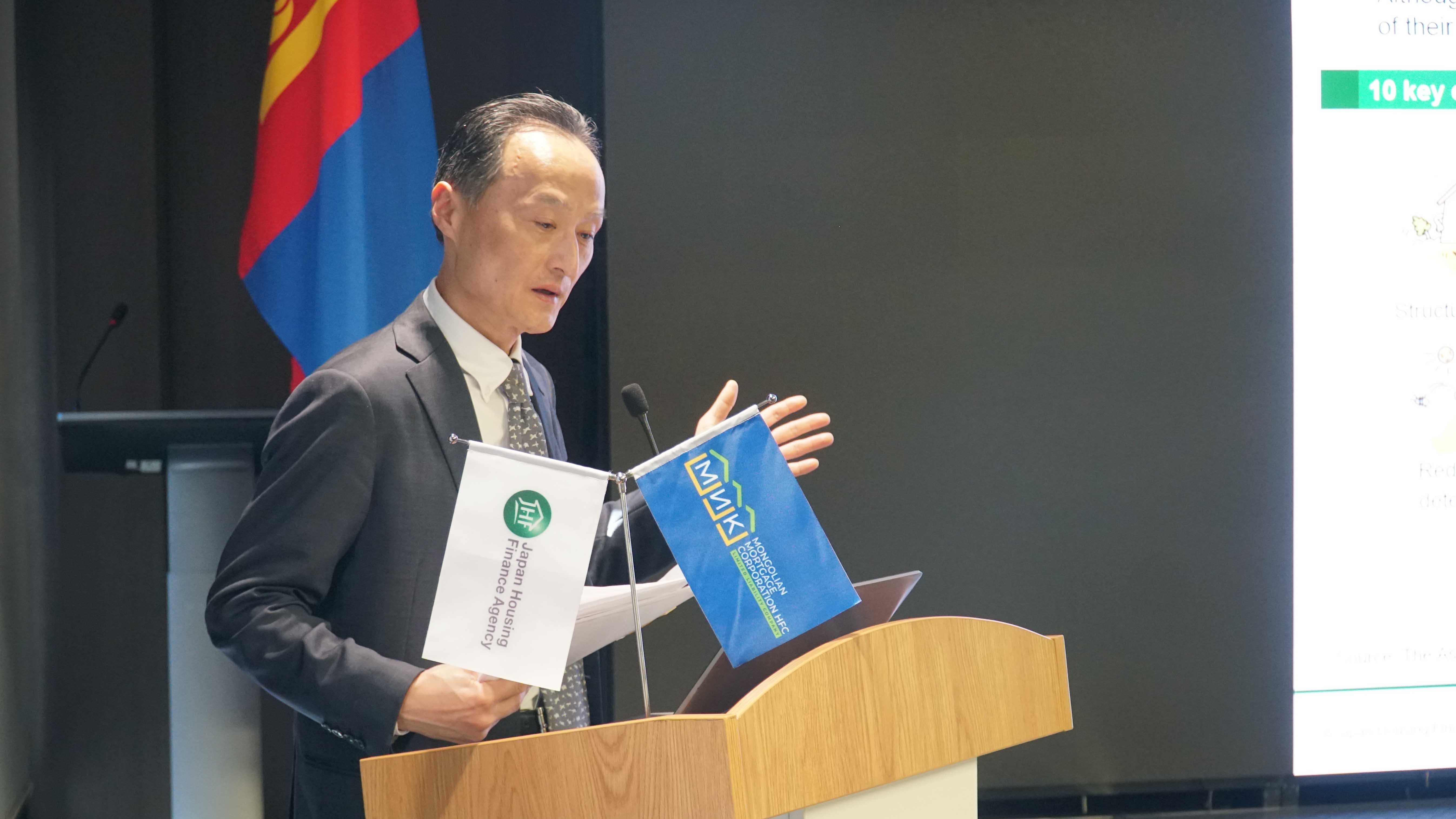
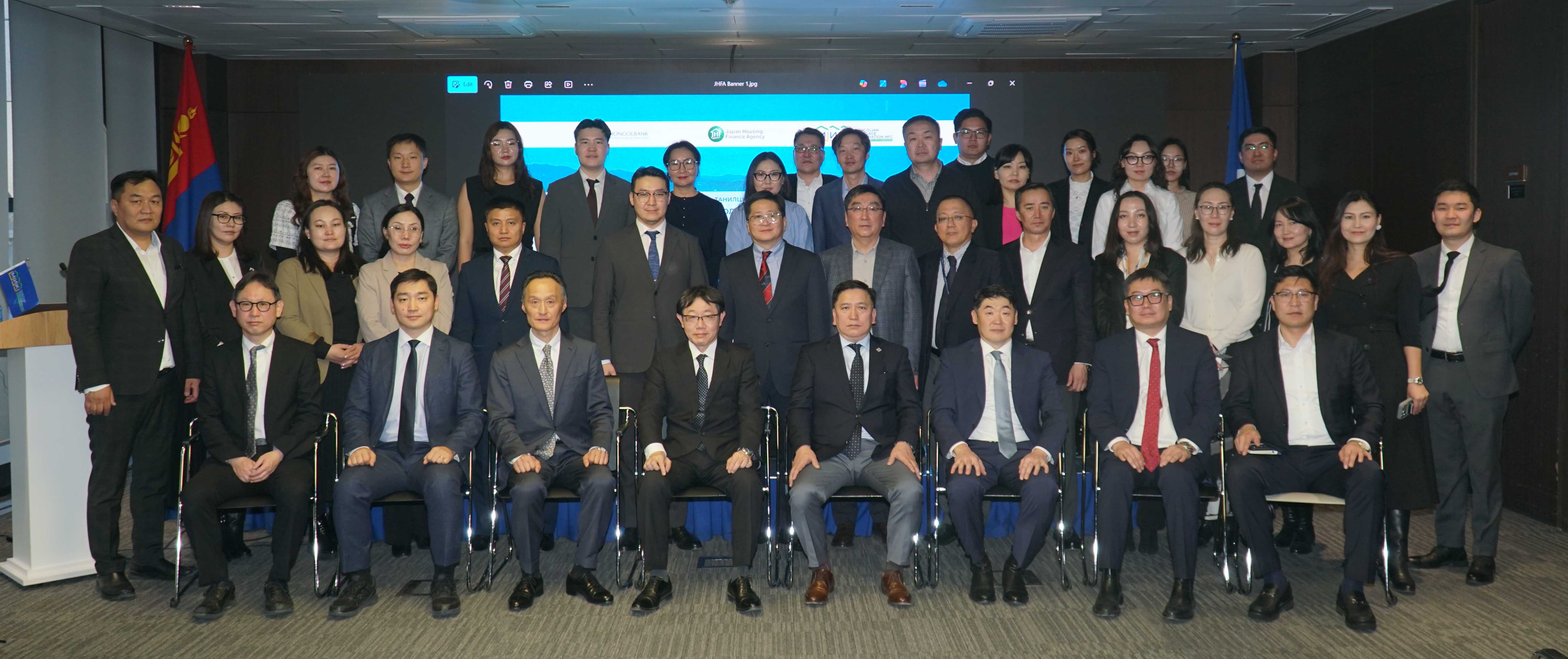
Mr. Yuji Date, Director General of the International Affairs and Research Department of JHF, delivered a presentation on “Japan’s Housing Finance Experience,” “Assessment of Thermal Resistance Levels in Residential Buildings in Ulaanbaatar,” and JHF’s recommendations. The event was attended by Mr. Takayama Yasushi, Executive Director of JHF, and Mr. Toyoshima Yoshiyuki, Special Adviser of the International Affairs and Research Department, Members of Parliament, including Mr. Luvsanjamts and Mr. Soronzonbold, Mr. M. Bayaraa and State Secretary of the Ministry of Urban Development, Construction and Housing as well as representatives from government institutions, banks, and other relevant organizations.
JHF emphasized the urgent need to improve the energy efficiency and construction quality of residential buildings in Mongolia. This need is driven by the country's extreme climate conditions, severe winter air pollution, and rising household energy costs.
To address these challenges, JHF commissioned Dr. Taro Mori, Professor at Hokkaido University, to conduct a comprehensive study on Ulaanbaatar’s climate and construction materials. Based on the findings, eligibility criteria for Green Housing Loans in Mongolia have been developed, comprising the following mandatory requirements:
To qualify, residential projects must meet all the following criteria:
The findings could contribute to the development of green building standards, the establishment of eligibility criteria, and the identification of mechanisms to enhance construction quality through housing finance in the future.
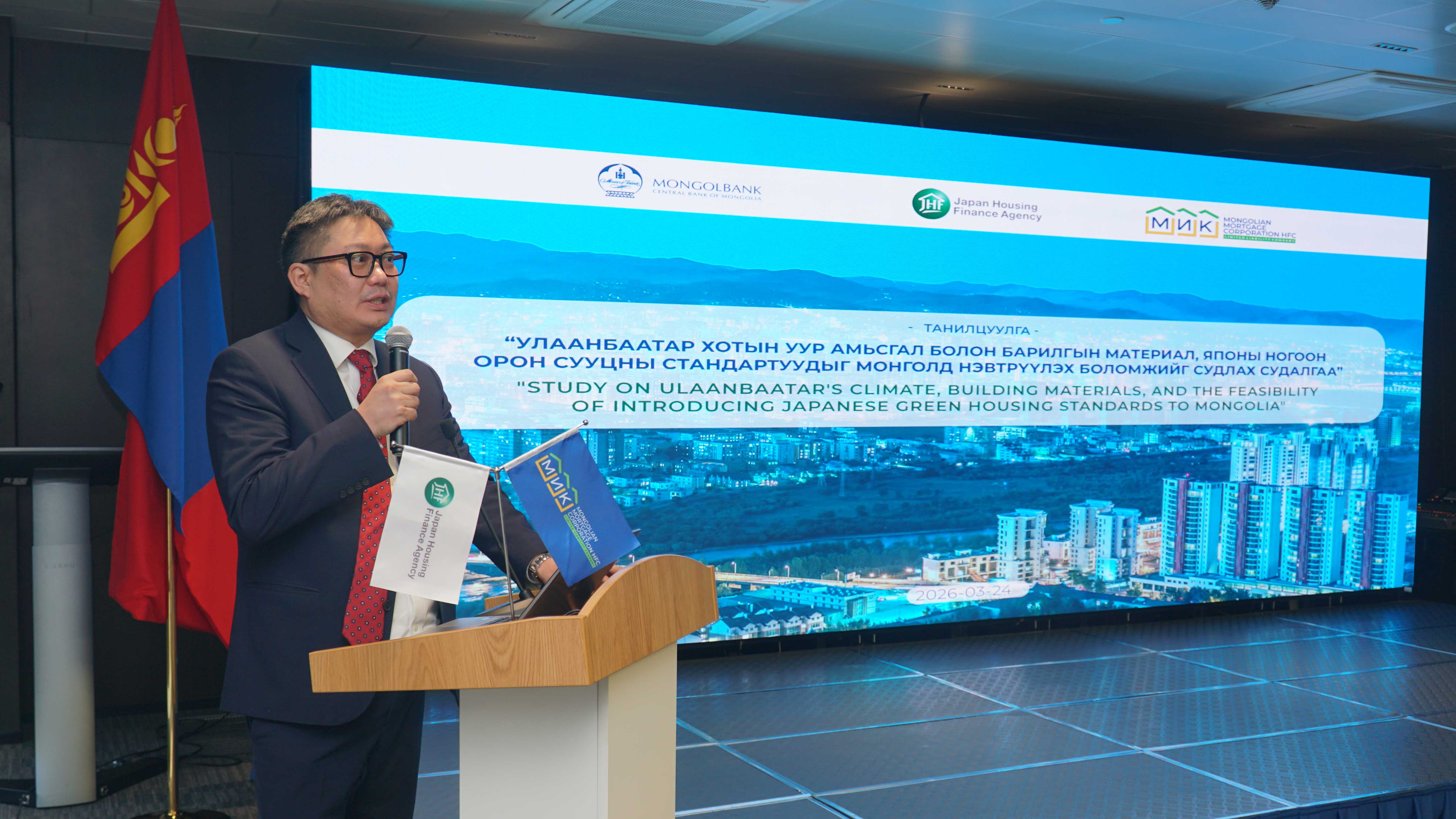

The findings of a joint study by the Japan Housing Finance Agency, a government-related institution, in collaboration with Hokkaido University, were presented. The study, titled “Study on Ulaanbaatar’s Climate, Building Materials, and the Feasibility of Introducing Japanese Green Housing Standards to Mongolia”, examines the potential for adapting Japan’s green housing standards to the Mongolian context.
The study was conducted under a Technical Assistance Agreement signed in July 2025 between “Mongolian Mortgage Corporation HFC” LLC and the Japan Housing Finance Agency (JHF), aimed at promoting sustainable development and green financing in Mongolia.
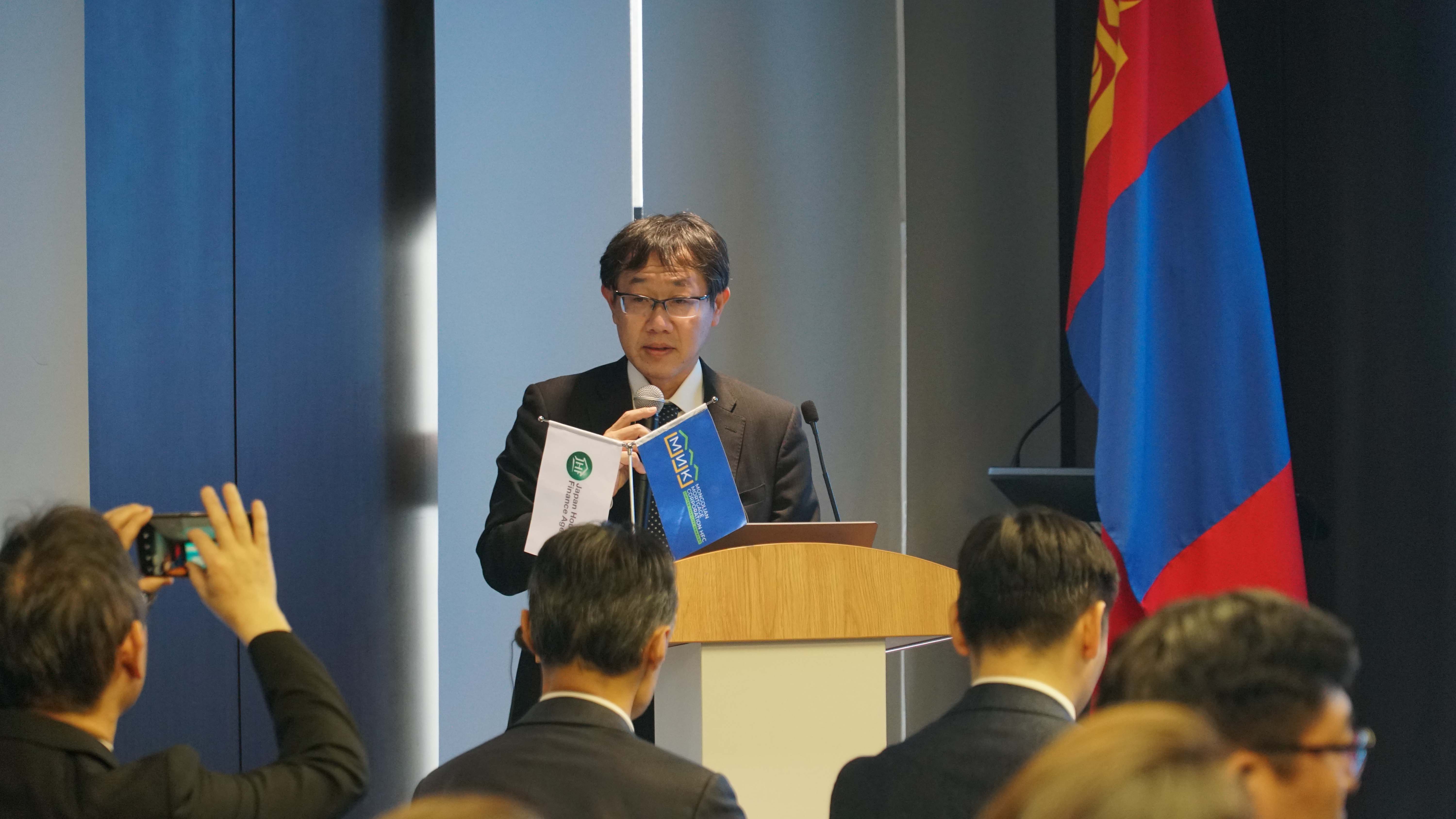
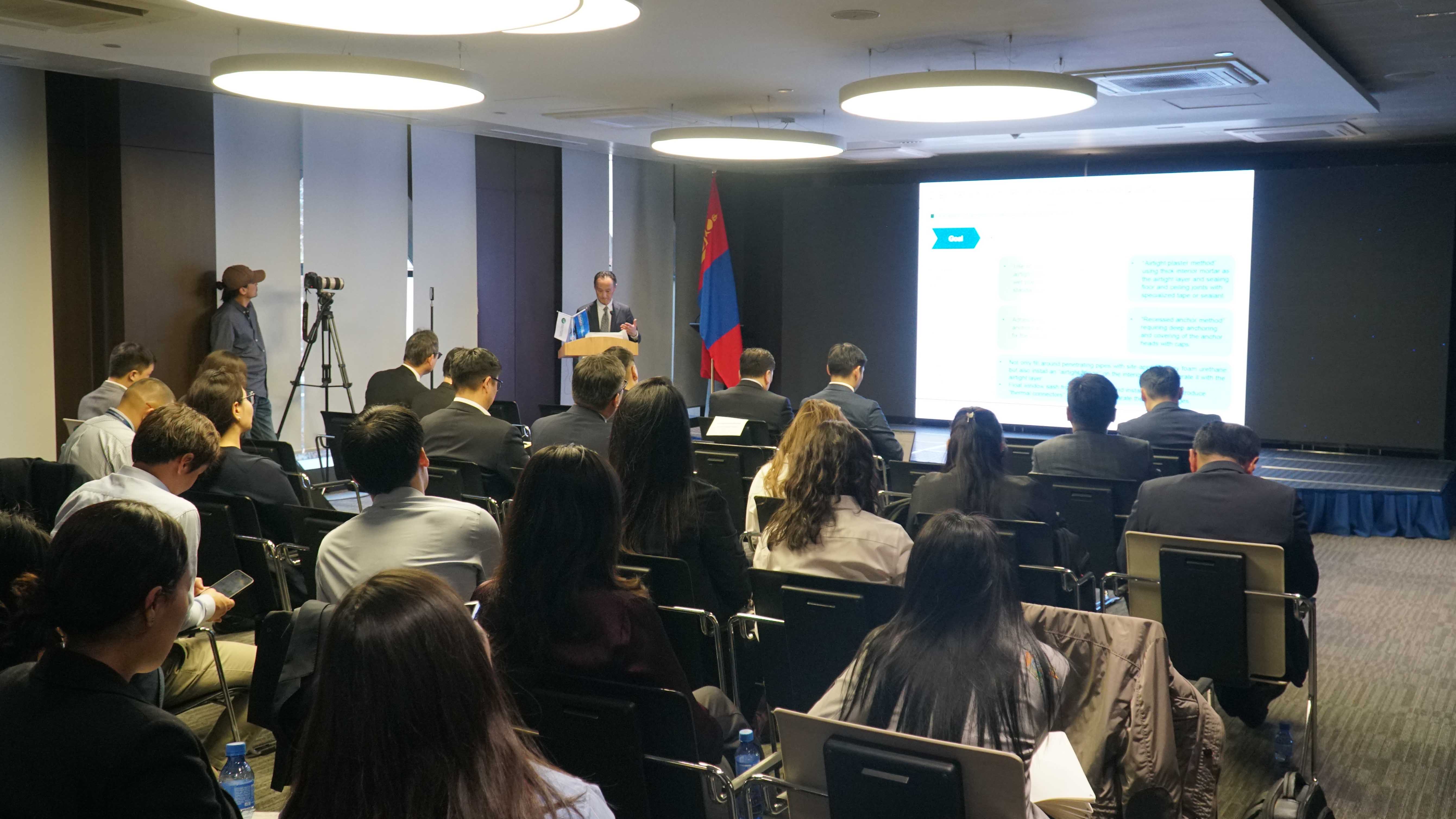
Mr. Yuji Date, Director General of the International Affairs and Research Department of JHF, delivered a presentation on “Japan’s Housing Finance Experience,” “Assessment of Thermal Resistance Levels in Residential Buildings in Ulaanbaatar,” and JHF’s recommendations. The event was attended by Mr. Takayama Yasushi, Executive Director of JHF, and Mr. Toyoshima Yoshiyuki, Special Adviser of the International Affairs and Research Department, Members of Parliament, including Mr. Luvsanjamts and Mr. Soronzonbold, Mr. M. Bayaraa and State Secretary of the Ministry of Urban Development, Construction and Housing as well as representatives from government institutions, banks, and other relevant organizations.
JHF emphasized the urgent need to improve the energy efficiency and construction quality of residential buildings in Mongolia. This need is driven by the country's extreme climate conditions, severe winter air pollution, and rising household energy costs.
To address these challenges, JHF commissioned Dr. Taro Mori, Professor at Hokkaido University, to conduct a comprehensive study on Ulaanbaatar’s climate and construction materials. Based on the findings, eligibility criteria for Green Housing Loans in Mongolia have been developed, comprising the following mandatory requirements:
To qualify, residential projects must meet all the following criteria:
The findings could contribute to the development of green building standards, the establishment of eligibility criteria, and the identification of mechanisms to enhance construction quality through housing finance in the future.
